
Black Philanthropy: From Recognition to Lasting ImpactBy Tommy M. Amal, MS, CFRE, President-Elect, AFP-DC
Black philanthropy has never taken just one form. We see it in major and transformational gifts, family foundations, corporate investments, planned gifts, and endowed scholarships. We also see it in giving circles, mutual aid, volunteer service, mentorship, advocacy, and neighbors coming together around a shared need. Each of these is an investment in people, institutions, or ideas that can create a stronger future. It is important to acknowledge this full range of generosity. Black donors are major philanthropists, foundation leaders, and institutional investors. Black families and communities also have long traditions of collective giving and mutual support. One form should not be recognized at the expense of another. Black Philanthropy Month gives us an opportunity to recognize this history, celebrate its impact, mobilize resources, and act in support of Black-led change. Those four commitments, recognize, celebrate, mobilize, and act, are central to the month. They also give those of us working in philanthropy a clear way to participate. Recognize the Full Story Dr. Jacqueline Bouvier Copeland founded Black Philanthropy Month in 2011. Its roots trace to work that began in 2001 with Reunity, formerly the Pan-African Women’s Philanthropy Network. The movement was originally incubated by the Women Invested to Save Earth Fund and launched globally with its first official summit during the United Nations International Year for People of African Descent. Today, Black Philanthropy Month is managed by the BackBlack Movement, with Floyd Jones serving as Global Chair.[1][2] The official 2026 theme, “Many Voices. One Movement,” reflects the many ways Black people give and lead. The month is grounded in collective care, community investment, and a shared commitment to Black-led progress.[3] That tradition began long before the modern philanthropic sector. In 1787, Richard Allen and Absalom Jones founded the Free African Society in Philadelphia. It was a mutual-aid organization created to serve the needs of African Americans regardless of religious affiliation. Its work is part of a much larger history of Black communities building institutions to provide spiritual, educational, social, and economic support.[4] Black churches, civic organizations, fraternities and sororities, alumni networks, families, and giving circles have carried this tradition forward. Black generosity has educated students, built institutions, supported entrepreneurs, sustained movements, cared for families, and created opportunity. For our field, the work is clear. We must recognize Black generosity in all its forms, earn the trust of donors and communities, and steward that generosity well. Celebrate the Many Ways Black Philanthropy Leads Celebration brings greater visibility to people and generosity that may otherwise go unrecognized. It also helps us tell a more complete story about philanthropy. I see this in my friend John Hollemon and his brother Reggie. They established the John & Margaret Hollemon Memorial Scholarship in 2022 to honor their grandparents’ commitment to hard work and education. The private, donor-supported fund helps graduating seniors pursue college. Through this scholarship, John and Reggie are carrying their grandparents’ values forward while creating opportunities for other families.[5] I see it in Martha’s Table. Through its Community Impact Fund, the organization provides unrestricted grants to strengthen Ward 8 nonprofits. The fund prioritizes organizations that have historically been excluded from institutional philanthropy and whose leaders and staff reflect the communities they serve.[6] I see it in Benefactors: A Black Giving Collective, which brings people together to invest in Black-led and Black-benefiting organizations. The collective builds upon the work of Black Benefactors, a Washington-area giving circle that convened more than 60 donors and distributed tens of thousands of dollars to Black-led nonprofits between 2007 and 2022.[7] I also see it at my alma mater, Virginia Tech, where I had the privilege of serving as a fundraiser. Black alumni have established scholarships supporting academic achievement, financial need, the Black Cultural Center, and students pursuing STEAM disciplines. Other funds honor Black alumni and community leaders. I have seen firsthand how philanthropy can shape a student’s experience and strengthen an institution. These alumni are creating opportunities for today’s students and building a tradition for future generations of Hokies.[8] Each example represents a different expression of philanthropy. Together, they show how generosity can preserve a family legacy, strengthen a neighborhood organization, bring donors together, and create lasting support within an institution. Mobilize Resources With Greater Intention Recognition and celebration should lead to action. Black Philanthropy Month calls us to move resources toward Black communities and the people leading change. Research from the Indiana University Lilly Family School of Philanthropy shows that income, wealth, and trust are among the factors associated with giving patterns across communities of color. Its Everyday Donors of Color research emphasizes the importance of moving away from one-size-fits-all approaches to donor engagement.[9] This has direct implications for our work. When our understanding of philanthropy is too narrow, we miss opportunities to build relationships. A donor may support several community institutions instead of concentrating giving in one place. A family may express generosity through a scholarship or memorial fund. Individuals may pool their gifts through a giving circle. These donors deserve the same thoughtful engagement and stewardship that we bring to every philanthropic relationship. We must also pay attention to where institutional resources are moving. A 2026 analysis from Candid and ABFE examined foundation funding for Black-led nonprofits from 2016 through 2023. Across those eight years, only half of Black-led nonprofits received a foundation grant on average, compared with 70 percent of white-led nonprofits. Smaller Black-led organizations were the most likely to receive no foundation funding. The report recommends longer-term, flexible support and greater access to philanthropic networks and decision-makers.[10] These findings give funders and fundraising leaders an opportunity to strengthen their practices. Flexible funding helps organizations build staff, improve operations, plan for the future, and respond to changes in their communities. Long-term relationships give leaders greater stability and allow trust to grow. Access to networks can introduce organizations to partners and resources that may otherwise remain out of reach. This is the kind of support that helps organizations move from managing one grant cycle at a time to building lasting strength. Build the Future of Black Philanthropy The future of Black philanthropy will be measured in dollars, influence, and permanence. Black donors and communities should help shape priorities, direct capital, and build institutions that endure. That future includes patient and durable funding. Multiyear grants, endowments, reserves, scholarship funds, and investments in organizational capacity give leaders more room to plan and grow. It includes community voice. The people closest to the work bring knowledge and relationships that should inform philanthropic priorities and decisions. It includes broad participation. Major donors, everyday donors, families, alumni, companies, foundations, churches, and giving circles all have a place in this work. It also depends on strong leadership. Birgit Smith Burton founded the African American Development Officers Network in 1999 and served as chair of the AFP Global Board in 2023 and 2024. She now serves as AFP Global’s immediate past chair and as CEO of AADO. Through AADO, she has created professional development, mentorship, and career support for fundraisers of color.[11] H. Art Taylor has served as president and CEO of AFP Global since April 2025. He brings decades of experience in nonprofit accountability, ethical fundraising, and public trust to the role.[12] Scholars are adding important knowledge to our field as well. Dr. Anthony L. Heaven is assistant professor of philanthropic studies at the Indiana University Lilly Family School of Philanthropy. His research has examined the experiences of African American development officers working at predominantly white institutions.[13] I am especially grateful for Dr. Harold Williams Jr. of Hampton University, whom I value as a mentor and thought partner. His research centers the lived experiences of African American development professionals at predominantly white institutions in the southeastern United States. He examined how racial identity shapes their professional experiences, how they define success, and how they entered higher education fundraising. His work is especially meaningful to me as I pursue my PhD at Hampton and study Black advancement executives and their pathways to senior leadership.[14] I am also fortunate to serve on the AFP-DC Board of Directors with my friends and colleagues James Jordan and Alexandria Gates, CFRE. James serves as director of development for Health Sciences at Howard University. Alexandria is senior director of development for the Krieger School of Arts and Sciences at Johns Hopkins University. They strengthen our profession through their work at two important institutions and through their service to AFP-DC.[15][16] These leaders and scholars remind us that philanthropy depends on people who can build trust, develop relationships, strengthen organizations, and connect generosity with purpose. Our Opportunity As a Black advancement executive and doctoral scholar, I am interested in how resources move and who helps shape those decisions. I care about how trust is built, which leaders gain access to capital, and whether philanthropic investments help organizations become stronger over time. I have also benefited from mentors, colleagues, donors, friends, and professional communities that invested their time, relationships, and belief in me. Their support has shaped my career and my understanding of philanthropy. This Black Philanthropy Month, I invite our AFP-DC community to embrace its four core commitments:
AFP-DC is a network of people who influence how generosity is invited, received, stewarded, and invested across our region. We can connect donors with Black-led organizations. We can introduce organizations to new networks. We can mentor emerging professionals and help open pathways to leadership. We can encourage funding that is flexible, sustained, and grounded in trust. Black Philanthropy Month gives us an opportunity to recognize and celebrate what Black generosity has already made possible. It also calls us to move resources, strengthen leaders and organizations, and support work that will continue for generations. Many voices. One movement. Lasting impact. Sources
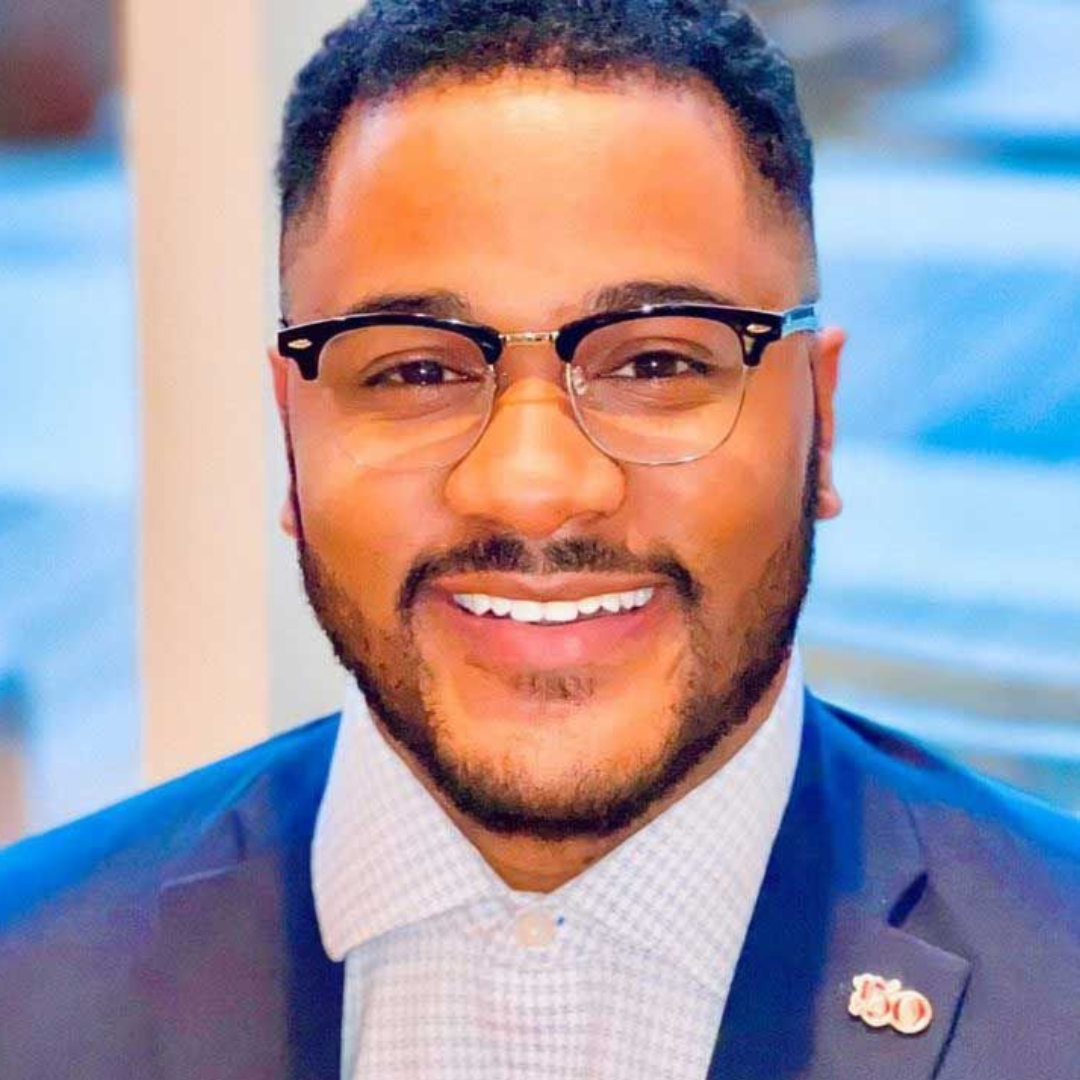
Author Tommy M. Amal, MS, CFRE, is Chief Advancement Officer at the National Association for College Admission Counseling and President-Elect of AFP-DC. He is pursuing a PhD in Educational Management at Hampton University, where his research examines Black advancement executives and their pathways to senior leadership. The views expressed are his own.
|